Pioneering the Future: Revolutionary Developments in Aluminum Castings for Contemporary Industries
The world of aluminum castings is transforming, propelled by the pursuit of efficiency and sustainability. Businesses are increasingly acknowledging the benefits of aluminum's lightweight and corrosion-resistant characteristics. Advanced methods, such as automation and AI, are transforming manufacturing processes. Nevertheless, considerable obstacles persist. As the demand for sustainable solutions grows, the future of aluminum casting poses intriguing questions about its role in modern manufacturing. What lies ahead for this essential material?
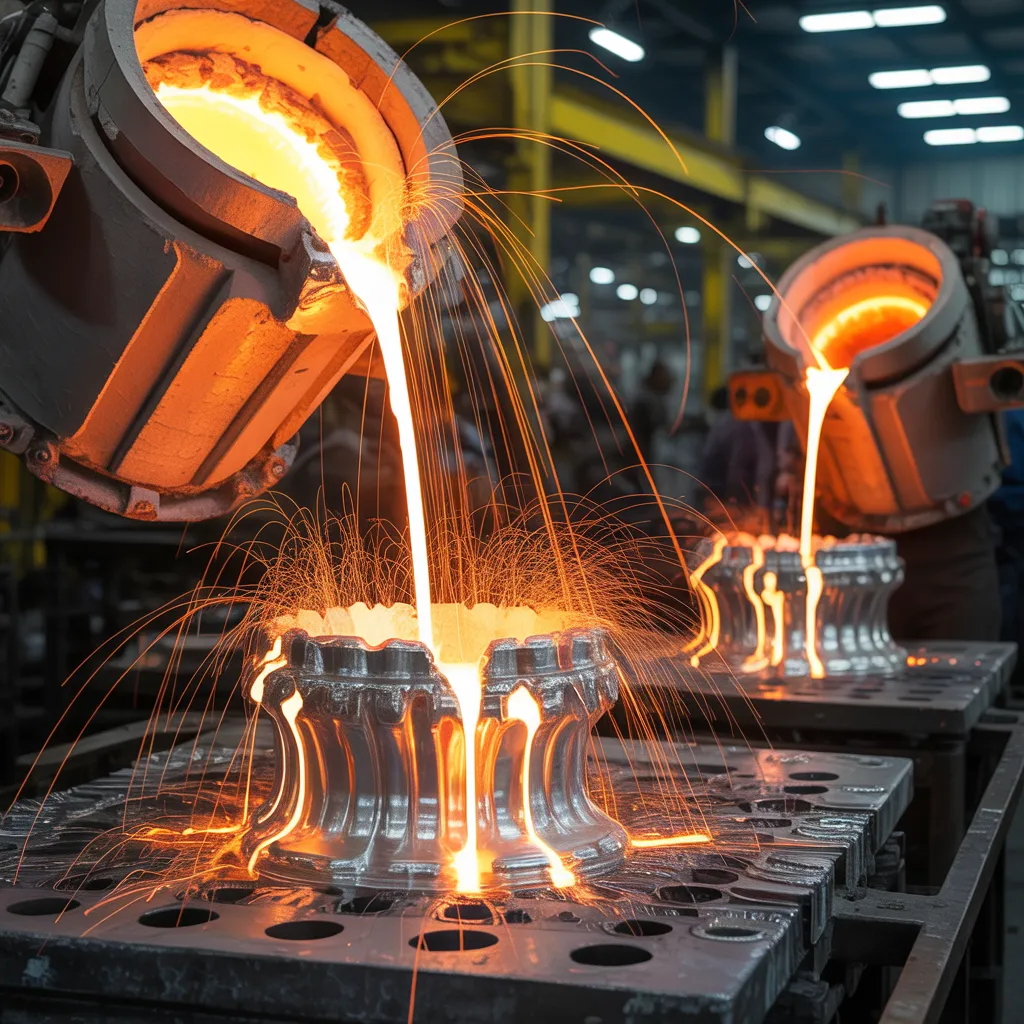
The Emergence of Aluminum Castings in Contemporary Manufacturing
As industries increasingly seek efficient and lightweight materials, aluminum castings have emerged as a pivotal solution in modern manufacturing. The versatility and structural strength of aluminum castings make them perfectly suited for numerous applications across industries like automotive, aerospace, and consumer goods. The lightweight nature of aluminum contributes to improved fuel economy and lower emissions, particularly in transportation. Furthermore, aluminum castings provide outstanding corrosion resistance, enhancing the durability of components in challenging environments.
The ability to create intricate shapes with accuracy greatly enhances their value, permitting manufacturers to engineer intricate parts that meet specific performance requirements. Moreover, the sustainable nature of aluminum encourages environmentally responsible processes, conforming to international ecological targets. Therefore, the adoption of aluminum castings is consistently growing, positioning them as a key element of advancement in production methods. This pattern illustrates a wider dedication to embracing substances that improve efficiency while reducing environmental effects.
Modern Approaches Improving Efficiency in Aluminum Casting
Innovative techniques are revolutionizing aluminum casting workflows, greatly enhancing productivity and accuracy. Modern innovations, such as digital design software and predictive modeling, empower manufacturers to optimize mold designs and identify potential defects ahead of manufacturing. This forward-thinking approach reduces waste and reduces time-consuming corrections.
The adoption of automated machinery continues to streamline operations, enabling quicker cycle times and uniform quality. Methods such as die casting and sand casting have advanced, incorporating real-time tracking systems that monitor temperature and pressure, ensuring ideal conditions throughout the process.
In addition, the incorporation of weight-optimized materials and advanced cooling techniques increases the speed of solidification, elevating manufacturing speeds. These improvements not only boost overall output but also strengthen the geometric accuracy of produced components.
Advancing Sustainability With Aluminum Castings
As the aluminum casting industry has achieved significant advances in efficiency, enhancing sustainability has become a vital focus. The increasing demand for environmentally friendly practices has prompted manufacturers to adopt recycled aluminum as a primary material. Utilizing scrap aluminum not only reduces energy consumption but also minimizes waste, greatly lowering the carbon footprint associated with production.
Moreover, breakthroughs in casting techniques, such as die casting and sand casting, have enhanced resource utilization, substantially contributing to sustainability. These technological improvements guarantee that less material is wasted during the manufacturing process, supporting a sustainable economy. Moreover, sustainable coatings and lubricants are being implemented to lower harmful pollutants and increase the longevity of cast components.
As the field progresses forward, the adoption of sustainable practices in aluminum casting is projected to have a significant impact in fulfilling compliance requirements and meeting growing customer needs for more sustainable goods. This commitment to sustainability places aluminum castings as a practical solution for modern industries.
What Are the Applications of Aluminum Castings in Aerospace and Automotive?
Aluminum castings utilized within the aerospace and automotive industries showcase the exceptional versatility and superior performance of this material. In the aerospace sector, aluminum castings are fundamental to the manufacturing of key components including engine housings, structural frames, and support brackets. Thanks to their low weight, these castings support greater fuel efficiency and enhanced performance in aircraft. Additionally, aluminum's resistance to corrosion enhances the longevity of these parts under demanding conditions.
Within the automotive industry, aluminum castings are widely used in transmission cases, engine blocks, and suspension parts. Such castings not only decrease vehicle mass but also support enhanced fuel economy and decreased emissions. Furthermore, the capacity to produce intricate shapes and configurations allows for innovative engineering solutions, advancing both vehicle safety and overall performance. Collectively, these applications underscore aluminum's role as a key material in advancing technology and sustainability in both industries.
How Is Advanced Technology Reshaping the Aluminum Casting Industry?
How are advanced technologies reshaping the landscape of aluminum casting? Breakthroughs including 3D printing, computer-aided design (CAD), and artificial intelligence (AI) are transforming the sector. 3D printing facilitates rapid prototyping, empowering designers to produce intricate geometries that were once impossible to achieve. This technology minimizes material waste and accelerates the design process considerably.
Furthermore, computer-aided design software elevates precision in mold development, guaranteeing that castings adhere to strict specifications. AI algorithms optimize production schedules and reduce defects by predicting potential issues before they arise. Moreover, progress in alloy engineering, including high-strength aluminum alloys, enhances the performance of cast parts, rendering them more appropriate for challenging applications.
Collectively, these technologies enhance efficiency, reduce costs, and improve quality in aluminum casting, positioning the industry to meet the changing requirements of sectors like aerospace and automotive. As these advancements continue, they stand to uncover new horizons for industrial advancement and innovation.
Conquering Difficulties in Aluminum Casting Production
In the realm of aluminum casting production, several challenges persist that necessitate well-planned remedies. Measures ensuring product quality, advancements in casting technologies, and material sourcing hurdles considerably affect overall effectiveness and manufacturing standards. Tackling these challenges is essential for manufacturers aiming to enhance their manufacturing performance and meet market demands.
Quality Assurance Measures
Comprehensive quality control strategies are vital for tackling the natural complexities in aluminum casting operations. To guarantee high-quality outcomes, fabricators enforce thorough inspection methods throughout each stage of casting. Approaches like X-ray analysis, ultrasonic evaluation, and visual inspections allow for the prompt identification of issues such as porosity and material inclusions. Statistical process control (copyright) is applied to oversee manufacturing variables, facilitating timely modifications that limit deviations. Additionally, adherence to industry standards and certifications enhances reliability and consistency. Educating staff on best practices cultivates a quality-driven culture, emphasizing the significance of every stage in the production process. Through the adoption of these strategies, producers can significantly minimize waste, enhance product performance, and satisfy the rigorous requirements of contemporary industries.
Advanced Casting Technologies
Transforming aluminum casting manufacturing, advanced technologies address the ongoing obstacles manufacturers encounter. Innovations such as 3D printing and digital simulation continue to streamline the design and prototyping processes, facilitating rapid adjustments and reduced lead times. Automated systems enhance accuracy and uniformity, minimizing human error and improving general production quality. Furthermore, breakthroughs in alloy research facilitate the production of durable, lightweight cast components that meet diverse industry demands. Processes including vacuum casting and pressure die casting also enhance material flow while decreasing defects. Such innovations improve both operational efficiency and environmental sustainability by reducing waste and energy consumption. As the industry embraces these advancements, the future of aluminum casting looks promising, with enhanced flexibility and superior performance in diverse applications.
Material Sourcing Challenges
Modern advancements in aluminum casting have considerably boosted production efficiency, yet material sourcing poses a recurring difficulty for manufacturers. The growing demand for high-quality aluminum alloys often leads to distribution interruptions, driven by volatile commodity costs and international tensions. Manufacturers face difficulties in securing reliable suppliers, which can impact production timelines and costs. Additionally, the heightened focus on sustainability demands the procurement of recycled components, making acquisition procedures more challenging. To tackle these issues, companies are developing strategic collaborations, supporting domestic procurement channels, and adopting advanced inventory management techniques. By fostering collaboration and leveraging technology, manufacturers strive to reduce supply chain uncertainties, ensuring a consistent supply of materials essential for meeting the evolving needs of modern industries.
Emerging Trends Transforming the Aluminum Casting Industry
The aluminum casting industry is on the verge of substantial evolution driven by cutting-edge manufacturing methods, sustainable material solutions, and intelligent automation adoption. These advancements stand not only to enhance production efficiency but also to lower environmental consequences. As companies adapt to these innovations, the aluminum casting sector is set for a significant transformation.
Advanced Manufacturing Techniques
New and emerging technologies are reshaping the field of aluminum casting, creating opportunities for enhanced efficiency and precision. Modern manufacturing approaches, such as computer numerical control (CNC) machining and additive manufacturing, are growing in widespread adoption. These methods allow for complex designs and accelerated prototyping, substantially decreasing production lead times. Furthermore, the integration of automation and robotics optimizes manufacturing workflows, reducing human error and maximizing resource utilization. Finite element analysis (FEA) strengthens the design process, verifying that components fulfill strict performance requirements before production begins. As these innovations continue to evolve, they stand to fundamentally reshape aluminum casting manufacturing, allowing producers to create stronger, lighter, and more intricate components that satisfy the requirements of contemporary applications across multiple industries.
Eco-Friendly Material Solutions
As advancements in manufacturing methods transform the aluminum casting industry, a growing emphasis on sustainability is emerging as a pivotal trend. Organizations are steadily embracing green manufacturing approaches, like incorporating recycled aluminum materials, which significantly minimizes energy use and material waste. This shift not only lowers carbon footprints but also aligns with global sustainability goals. Additionally, advancements in bio-based binders and coatings are being explored to minimize harmful emissions during explore here the casting process. Businesses are implementing life cycle evaluations to measure the ecological footprint of their materials, confirming that environmentally responsible selections are upheld from conception to production. As public interest in environmentally friendly products increases, the aluminum casting field is ready to integrate these sustainable material advancements, driving innovation and responsible manufacturing practices.
Smart Automation Integration
Integrating smart automation into the aluminum casting process revolutionizes efficiency and precision. Advanced technologies, such as robotics and artificial intelligence, streamline operations by optimizing production schedules and reducing human error. Automated systems track parameters in real-time, guaranteeing consistent quality and reducing waste. These innovations enable manufacturers to respond swiftly to market demands, enhancing flexibility in production lines. Additionally, machine learning algorithms analyze historical data to predict maintenance needs, thereby reducing downtime and operational costs. As smart automation progresses, it enables the aluminum casting industry to reach greater standards of productivity and sustainability. This evolution positions companies to remain competitive in a rapidly changing market, ultimately revealing new potentials for growth and innovation.
Popular Questions We Receive
What Cost Factors Are Involved in Aluminum Casting?
Key cost considerations related to aluminum casting processes include raw material prices, labor costs, energy usage, the cost of tooling, and design complexity. Furthermore, production efficiencies and production volume significantly impact overall pricing and profitability.
How Does Aluminum Casting Measure Up to Other Materials?
Aluminum casting offers advantages over other materials, including reduced weight, durability against corrosion, and superior heat transfer capabilities. Nevertheless, it may be more costly and not as strong as materials such as steel or select composite alternatives in specific applications.
What Safety Measures Are Necessary in Aluminum Casting?
Safety protocols in aluminum casting encompass proper ventilation, personal safety gear, regular equipment maintenance, and conformance to industry guidelines. Additionally, implementing training programs for workers increases awareness of potential hazards and encourages a safer workplace environment.
Is It Possible to Recycle Aluminum Castings Effectively?
Aluminum castings lend themselves well to the recycling process, as the material retains its properties during the process. This makes recycling a sustainable option, minimizing waste and saving energy relative to manufacturing fresh aluminum from raw materials.
Which Certifications Are Important for Aluminum Casting Manufacturers?
Relevant certifications for aluminum casting manufacturers include ISO 9001 which covers quality management, ISO 14001 for environmental management, along with AS9100 for aerospace standards. These certifications ensure compliance with industry standards and support product dependability and sustainability.