Inside a Casting Foundry: The Core of Metal Manufacturing
Within a foundry operation, activities occur that are essential to metal manufacturing. Smelting furnaces transform alloys into liquid forms, while experienced technicians manage detailed casting molds. Automated systems serve a critical function, improving operational efficiency and environmental sustainability. However, the industry faces significant hurdles that could shape its trajectory ahead. Understanding these dynamics reveals more than just production; it illuminates a complex interplay of established practices and modern advancements. What lies ahead for this indispensable sector?
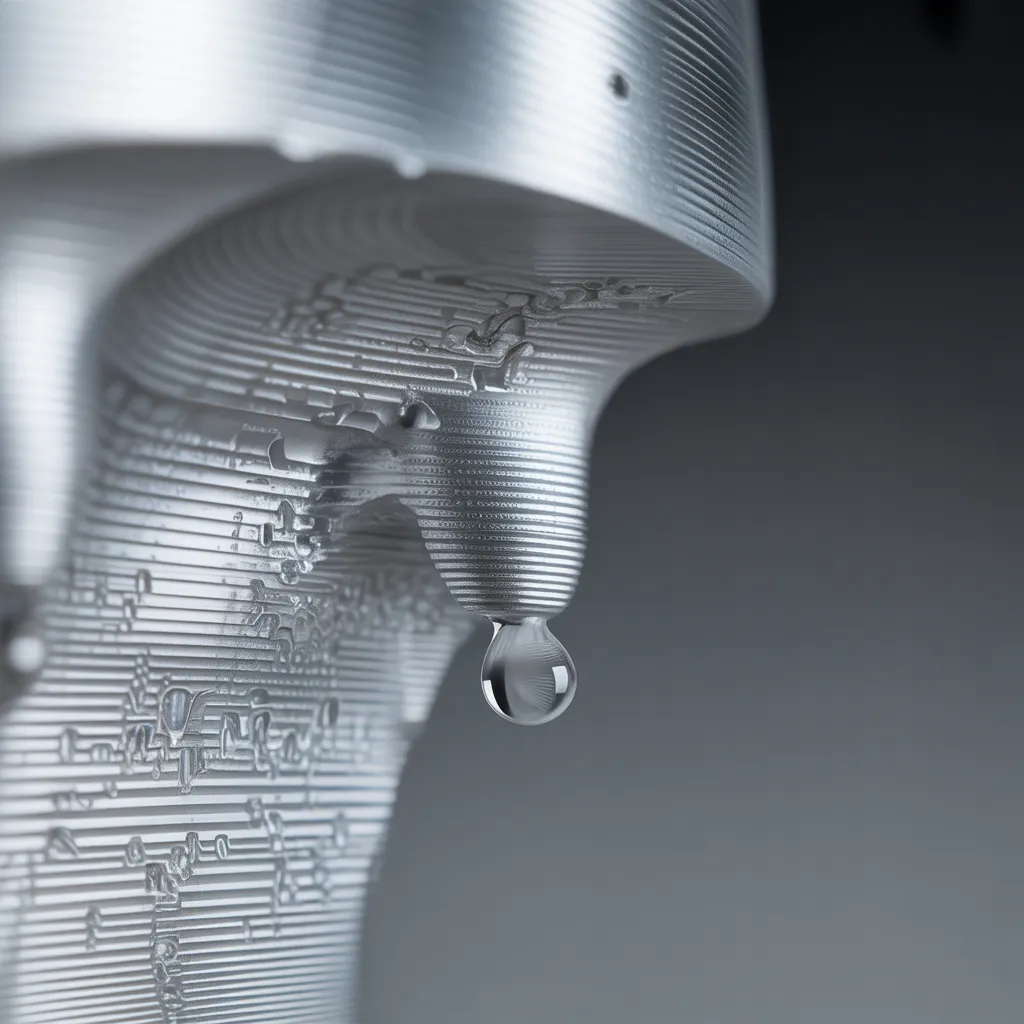
The Core Principles of Metal Casting
Metal casting acts as a fundamental process in industrial production, converting liquid metal into solid shapes. This method has been used for centuries, enabling artisans and manufacturers to produce components with detailed shapes and exact dimensions. The procedure starts with choosing appropriate metal alloys, which are subsequently melted at elevated temperatures.
When molten, the metal is directed into molds created to form the final product. These molds can be constructed from several material types, including sand, metal, and ceramic, in accordance with the required specifications and production volume.
After the metal cools and solidifies, the mold is taken away, exposing the cast object. This method provides significant advantages, such as reduced material waste and the ability to produce intricate geometries that would be challenging to achieve through other manufacturing techniques. Grasping these fundamentals is essential for appreciating the value of metal casting in today's industry.
Core Processes in Metal Casting: Melting, Molding, and Refinement
The process of metal casting involves three critical processes: melting, shaping, and refinement. At the outset, metal is placed in a furnace and heated until it becomes fully molten, facilitating greater workability. The melting process is a critical step, as it determines the quality of the final product.
After this process, the molten metal is directed into forming molds, which shape it into defined shapes. The type of mold material—such as sand, metal, or ceramic—influences the finished casting's surface quality and geometric accuracy.
In the final stage, refinement involves allowing the cast metal to cool and solidify, accompanied by techniques such as heat treatment, machining, or polishing to enhance its mechanical properties. This step confirms the final product adheres to precise specifications and quality standards. Each of these processes is essential, playing a role in the overall performance and success of metal casting, ultimately leading to high-quality components for various industries.
Progress in the Contemporary Foundry Industry
As the foundry industry evolves, breakthroughs are redefining established processes, improving productivity and environmental responsibility. Technological progress, including 3D printing, are transforming the mold manufacturing process, allowing for complex designs and reduced lead times. This technique not only cuts down on waste but also promotes personalization, fulfilling unique customer needs more efficiently.
In addition, the incorporation of automated robotics systems optimizes workflows, increasing productivity and reducing human error. Smart manufacturing technologies, including IoT sensors, offer live data analytics, facilitating precise monitoring of operations and predictive maintenance.
Additionally, green practices and materials are growing in popularity, decreasing the ecological footprint of metal casting. The adoption of repurposed metals and low-energy furnaces highlights a transition towards eco-conscious practices, contributing to global green initiatives. These developments jointly support a stronger and more sustainable casting sector, prepared to address emerging challenges while responding to the shifting expectations of the sector.
What Difficulties Are Casting Foundries Confronted With?
What challenges do casting foundries face in an rapidly developing industry? One significant challenge is the instability in raw material expenses, which can greatly affect production budgets. Furthermore, environmental regulations are becoming increasingly stringent, compelling foundries to invest in cleaner technologies to minimize environmental impact. This change necessitates significant capital investment, which can strain smaller operators.
Additionally, competition from international producers frequently results in cost pressures, creating obstacles for home-based foundries to remain profitable. These facilities also struggle with adapting to fast-paced technological developments, particularly automated systems and digital integration, which require persistent investment and skills development.
Finally, disruptions within the supply chain, made worse by international developments, represent a persistent threat, affecting the timely delivery of materials and components. Collectively, these challenges require foundries to remain agile and innovative to succeed in a competitive market environment.
The Significance of Skilled Labor in Casting Foundries
Although automation and technology persistently transform the production environment, skilled workers continue to serve as a foundation in foundry operations. The intricate nature of foundry work necessitates a breadth of understanding that automated systems cannot fully achieve. Skilled workers possess the expertise to analyze intricate blueprints, choose suitable alloys and compounds, and address problems that occur during the manufacturing workflow. Their hands-on experience is essential for maintaining accuracy and quality standards, particularly in high-stakes projects that require precise measurements.
Additionally, skilled workers play a vital role in managing and enhancing machinery, confirming that production proceeds efficiently and consistently. As casting methods develop, these professionals are also responsible for adjusting and improving methods, blending innovative technologies while maintaining time-honored craftsmanship. Across this progressive field, the partnership between qualified labor and technological innovation is fundamental for maintaining the standards and dependability that characterize thriving casting foundries.
Emerging Trends in Casting: What Does the Future Hold for the Industry?
New advancements in the casting field are ready to redefine its direction, driven by innovations in technology and changing industry needs. AI and automation are continuously improving manufacturing workflows, improving accuracy and minimizing workforce costs. Additionally, the integration of 3D printing is transforming mold manufacturing, allowing for more complex designs and reduced lead times.
Sustainability is becoming a focal point as businesses seek to reduce their environmental impact. This encompasses the use of recycled materials and the adoption of energy-efficient processes across foundries. In addition, the demand for lightweight materials, particularly in the automotive and aerospace sectors, is pushing innovations in alloy development.
The industry is also witnessing a transition toward modernization, as IoT technologies facilitate live monitoring and proactive maintenance. As these advancements come together, the casting sector is expected to undergo significant transformations, positioning itself to meet the challenges of a rapidly changing global landscape.
Frequently Asked Questions
What Kinds of Metals Are Typically Cast in Foundries?
Metals commonly cast in foundries include aluminum, iron, steel, bronze, and brass. Each of these metals holds unique attributes, making them suitable for various applications, ranging from automotive parts to ornamental pieces, demonstrating the adaptability of casting processes.
How Does Metal Casting Affect the Environment?
Metal casting operations affects the environment through energy consumption, waste generation, and emissions. It can contribute to air and water pollution, while also requiring considerable resources, driving the need for sustainable practices and technologies in the field.
What Safety Measures Are in Place for Foundry Workers?
Foundries employ various safety measures, including personal protective equipment, ventilation systems, routine training programs, and careful observance of safety guidelines. These practices further information aim to limit potential dangers and ensure a secure work environment for every worker.
How Is Casting Defect Detection and Correction Performed?
Defects in castings are recognized using visual examinations, dimensional assessments, and non-destructive evaluation techniques. Addressing these issues involves refining processes, correcting imperfections, or performing re-casting when required to maintain quality standards and conformance to requirements.
What Is the Typical Production Timeline for a Casting?
A conventional production schedule for a casting encompasses several stages: pattern creation, pouring, mold making, finishing, and cooling. This process generally spans from a few days to several weeks, depending on complexity and production volume.