The Evolution of Metal Castings: Advancements Shaping the Industry
The trajectory of metal castings is being reshaped by a wave of innovative technologies. AI, automation, and robotics are modernizing production while enhancing quality. Lightweight alloys and advanced materials are growing indispensable for modern applications. At the same time, 3D printing is revolutionizing conventional methods. These innovations not only boost efficiency but also tackle sustainability challenges. As the sector advances, grasping the impact of these shifts becomes essential. Where is metal casting headed?
Emerging Trends in Metal Casting
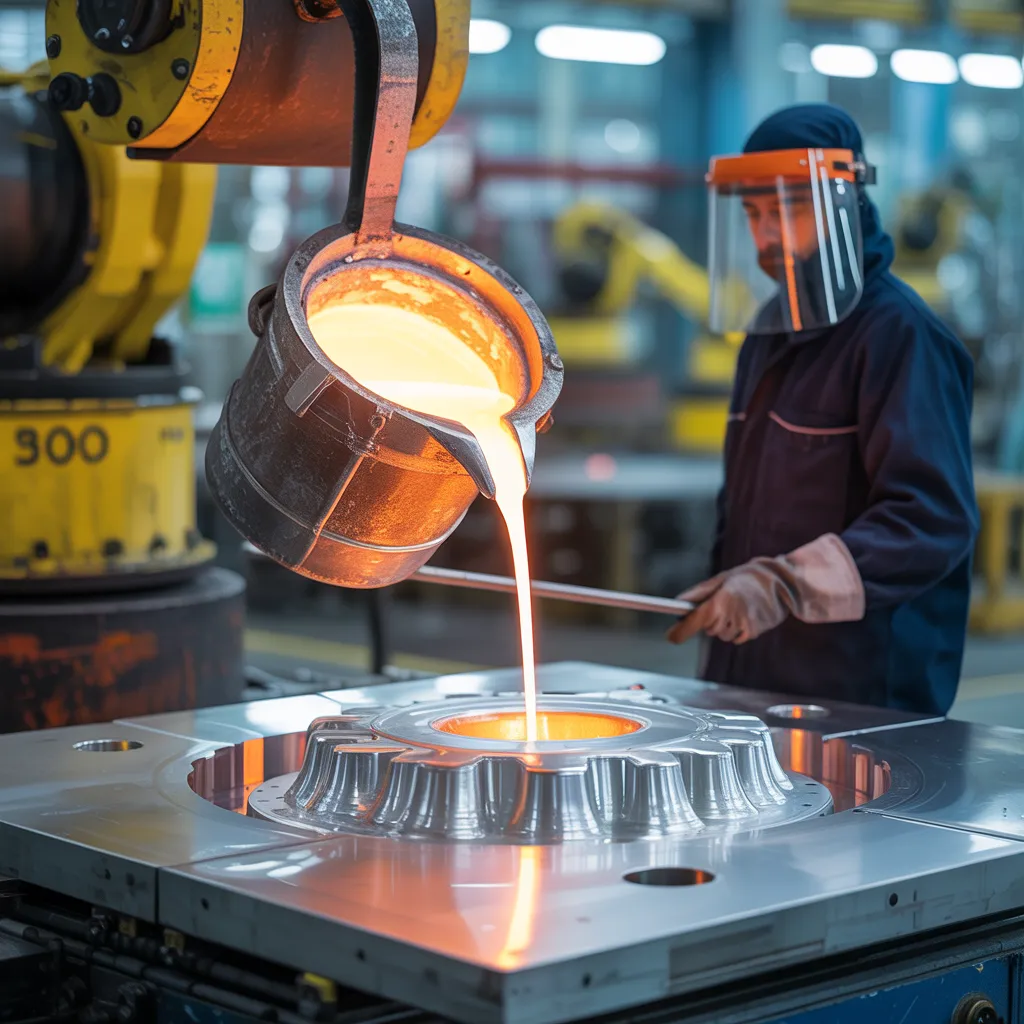
What elements are influencing the metal casting industry today? The field is growing more and more driven by innovations in technology, sustainability goals, and changing client requirements. Robotics and automation are optimizing manufacturing workflows, improving accuracy and lowering labor expenses. Furthermore, the adoption of computer-aided design (CAD) and simulation software enables more effective mold creation and evaluation, reducing both waste and time.
Sustainability has become paramount, with numerous manufacturers embracing eco-friendly practices and materials to meet regulatory pressures and consumer expectations. This change is encouraging emphasis on recycling initiatives and the adoption of renewable resources.
Additionally, the rise of 3D printing technology is transforming established casting processes, facilitating complex geometries and decreased material consumption. These trends highlight a groundbreaking period in metal casting, where innovation is essential for tackling current industry obstacles and ensuring competitive advantage. The sector must adapt continuously to maintain its position in a rapidly changing market.
Why Lightweight Materials Matter in Modern Metal Casting
Lightweight materials are becoming increasingly essential in contemporary metal casting due to their notable advantages in overall performance and operational efficiency. The need for reduced-weight components is driven by industries such as automotive and aerospace, where minimizing weight can boost operational performance and fuel economy. Utilizing lightweight materials, such as magnesium and aluminum alloys, enables manufacturers to create intricate designs while preserving structural integrity.
Moreover, these materials contribute to lower operational costs and energy consumption during the casting and transportation processes. The incorporation of weight-reduced materials additionally supports innovation in developing new products, permitting the manufacturing of increasingly complex geometries that could not previously be achieved with conventional heavy metals.
As global competition intensifies, businesses that utilize lightweight materials in their casting operations establish themselves as leaders in technological innovation. This change not only fulfills market requirements but also fosters sustainability through minimized resource utilization and waste, ultimately shaping the future of the metal casting industry.
How 3D Printing Is Transforming Casting Techniques
3D printing is reshaping metal casting by offering enhanced design flexibility that allows for intricate geometries previously deemed impossible. This innovation significantly cuts production time, enabling quicker turnaround for prototypes and final products alike. Furthermore, it delivers economical methods for prototyping, limiting waste and enhancing resource utilization during the casting process.
Greater Design Freedom
As sectors continue to pursue groundbreaking advancements, the adoption of 3D printing into metal casting processes has emerged as a game changer. This technology improves design flexibility, empowering engineers to develop intricate geometries that traditional methods are unable to replicate. By leveraging additive manufacturing techniques, designers can produce complex patterns with greater efficiency and decreased material mass. This capability facilitates the production of bespoke components adapted to specific applications, driving innovation across industries. Additionally, 3D printing accelerates rapid prototyping, allowing for quicker iterations and refinements in design. As a result, manufacturers can react more precisely to market demands while reducing excess material usage. The transformative impact of 3D printing in metal casting is reshaping design paradigms, paving the way for greater innovation in production techniques.
Minimized Production Duration
The adoption of additive manufacturing within metal casting workflows not only enhances design flexibility but also greatly reduces production time. Traditional casting methods often involve lengthy setups and multiple steps, which can extend lead times considerably. By leveraging 3D printing to produce molds and cores, manufacturers can optimize these processes, allowing for quicker iterations and reduced production cycles. This technology enables rapid prototyping, where designs can be evaluated and adjusted swiftly, supporting a more flexible production environment. Moreover, the minimization of manual labor and material waste further shortens the overall timeline. Ultimately, the adoption of 3D printing in metal casting signifies a transformative shift, fostering efficiency and responsiveness in an increasingly competitive market.
economical Prototyping Approaches
Reimagining conventional casting techniques, 3D printing technology provides significant economically viable prototyping solutions. By supporting rapid production of sophisticated designs, this technology reduces material waste and minimizes the need for expensive tooling. This development empowers manufacturers to develop prototypes rapidly, enabling iterative design processes that optimize product development. With the capability to generate intricate patterns directly from CAD files, companies can evaluate and improve designs without the significant expenses associated with standard methods. Moreover, additively manufactured molds can be created in a fraction of the time, accelerating time-to-market for new products. As a result, manufacturers are progressively adopting these technologies, leading to significantly improved and eco-friendly practices in the casting industry.
The Role of Automation and AI in Metal Casting
Although traditional metal casting has long been dependent on manual labor and artisan craftsmanship, the integration of AI and automation technologies is reshaping the industry. Automated solutions improve production by boosting efficiency and accuracy, enabling quicker cycle times and lower labor expenses. Automated systems can monitor processes in real-time, maintaining consistency while significantly minimizing human error.
AI further transforms metal casting by optimizing designs and predicting potential failures. Artificial intelligence algorithms evaluate large volumes of data, enabling manufacturers to make informed decisions about material choices and casting processes. This forecasting ability not only improves product quality but also minimizes waste.
Combined, automation and AI are driving a transition toward more intelligent, more flexible manufacturing settings. As these innovations continue to advance, they are poised to enhance competitiveness and innovation in the metals casting field, opening the door to a highly efficient and more responsive industry. The future direction of metal casting is continually influenced by these advances in technology.
How Sustainability Is Transforming the Casting Industry
As worldwide focus on environmental accountability grows stronger, the casting industry has made sustainability a central priority. Organizations are continually integrating green practices, such as employing recycled components and cutting down on production waste. Advancements in casting techniques, like sustainable sand casting and the application of biodegradable binding agents, are reducing the environmental footprint of manufacturing.
Additionally, many companies are implementing sustainable technologies that lower emissions and decrease energy consumption. The incorporation of comprehensive lifecycle reviews allows manufacturers to examine the environmental impact of their solutions from manufacturing to disposal, encouraging a culture of accountability.
Responsible sourcing of raw materials is increasingly gaining traction, with a focus on ethically sourced metals and eco-conscious suppliers. With growing customer demand for environmentally responsible products, the casting industry is not only aligning with global sustainability goals but also enhancing its competitive edge in a continuously evolving industry landscape.
Emerging Trends Shaping the Future of Metal Castings
Evolving trends in metal castings are ready to redefine the landscape as advancements in technology and shifting market demands drive innovation. A notable development is the growing use of automation and robotics, boosting exactness and effectiveness throughout casting procedures. The adoption of artificial intelligence is additionally reshaping quality management approaches, allowing instant oversight and corrections.
Furthermore, the push toward sustainability is catalyzing the emergence of eco-friendly methods and materials, reducing energy consumption and waste. Additive manufacturing, commonly referred to as 3D printing, is rising in prominence, enabling advanced geometries and accelerated prototyping, which will continue to streamline manufacturing.
Additionally, a rising focus on low-density materials, especially in the automotive and aerospace sectors, is driving advancements in alloy engineering. As these trends converge, they stand to advance operational productivity but also to unlock fresh opportunities for expansion and competitive advantage within the metal casting industry.
Frequently Asked Questions
What Are the Key Challenges the Metal Casting Industry Faces Today?
The metal casting sector is currently facing notable challenges including increasing raw material expenses, environmental compliance requirements, labor shortages, and the necessity of technological improvements. These elements hinder manufacturing efficiency and environmental sustainability while also impacting the industry's overall competitiveness.
In What Ways Do Global Economic Factors Influence Metal Casting Innovations?
Broad economic influences influence metal casting innovations by impacting production costs, resource availability, and market demand shifts. A stable economic environment fosters investment in advanced technologies, while downturns may hinder R&D initiatives across the sector.
What Competencies Are Required for Aspiring Metal Casting Professionals?
Future metal casting specialists will demand skills in modern manufacturing processes, data interpretation, materials engineering, and sustainable environmental practices. Competence in industrial automation, computer-aided design software, and critical problem-solving will also be essential for keeping pace with emerging industry developments.
In What Ways Does Metal Casting Influence Product Life Cycle Assessments?
Metal casting substantially affects product life cycle evaluations by influencing resource consumption, emissions, and waste generation. Its processes determine material efficiency and durability, ultimately affecting sustainability evaluations throughout a product's full practical advice life cycle.
What Safety Standards Are Used in Modern Metal Casting Facilities?
Modern metalcasting operations adhere to stringent safety standards, encompassing proper ventilation, safety equipment, and machinery safeguards. Ongoing training and observance of industry regulations guarantee employee safety while reducing hazards related to molten metal and chemical exposure.