The Next Era of Metal Castings: Breakthroughs Propelling the Industry Ahead
The future of metal castings is being revolutionized by a surge of innovative technologies. AI, automation, and robotics are modernizing production while elevating overall quality. Lightweight alloys and advanced materials are growing indispensable for contemporary applications. Simultaneously, 3D printing is redefining established methods. These advancements not only improve efficiency but also address sustainability concerns. As the sector advances, grasping the impact of these shifts becomes essential. What does the future hold for metal casting?
Emerging Trends in Metal Casting
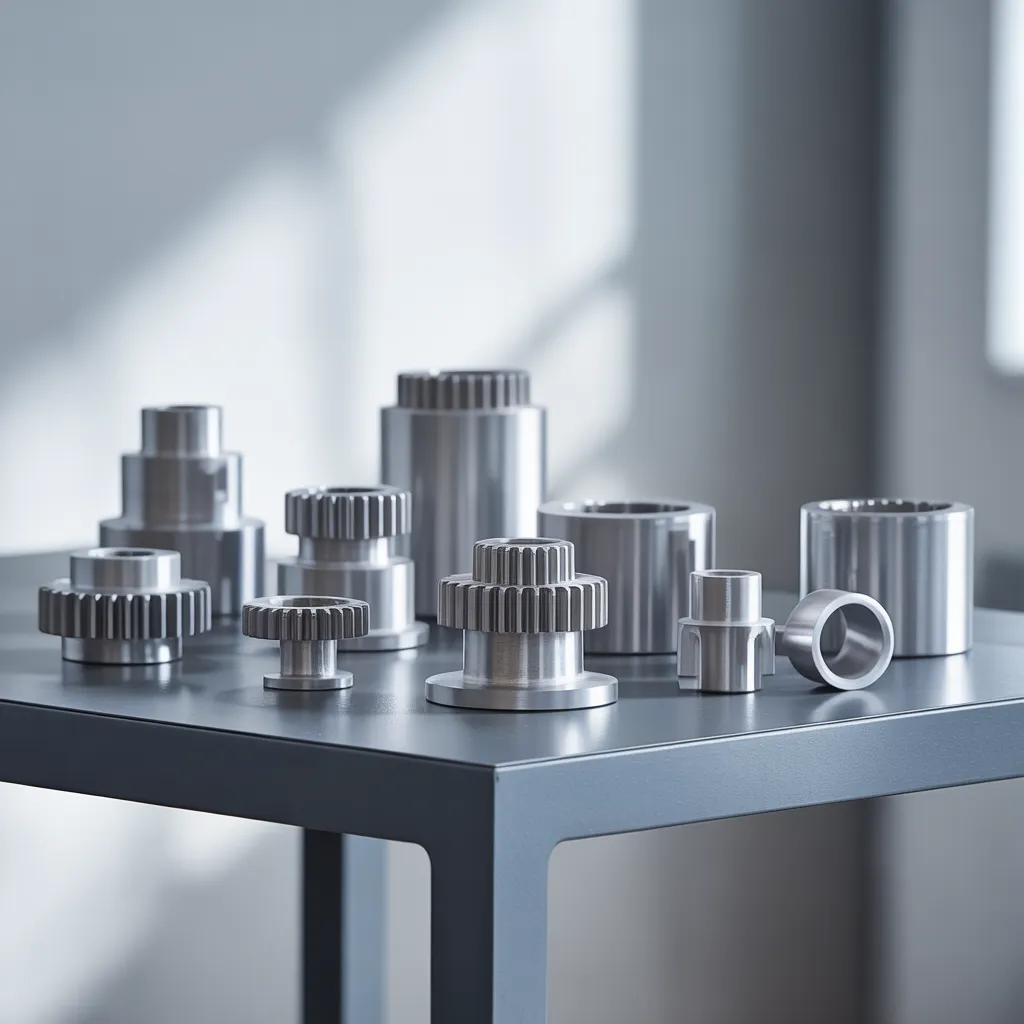
What forces are defining the direction of metal casting in the modern era? The sector is being progressively shaped by technological advancements, sustainability initiatives, and shifting customer expectations. Robotics and automation are associated resource optimizing manufacturing workflows, improving accuracy and lowering labor expenses. Moreover, the integration of computer-aided design (CAD) and simulation tools allows for more efficient mold design and testing, minimizing waste and time.
Sustainability has emerged as a top priority, with numerous manufacturers embracing green practices and sustainable materials to meet regulatory pressures and consumer expectations. This transition is driving attention toward recycling initiatives and the adoption of renewable resources.
Additionally, the emergence of additive manufacturing is revolutionizing established casting processes, enabling intricate geometric designs and reduced material use. These advancements emphasize a groundbreaking period in the metal casting industry, where progress is necessary for addressing contemporary demands and securing market competitiveness. The industry must adapt continuously to maintain its position in a rapidly changing market.
The Significance of Lightweight Materials in Contemporary Metal Casting
Lightweight materials are becoming increasingly essential in modern metal casting due to their considerable benefits in overall performance and operational efficiency. The requirement for lighter parts is fueled by industries such as the automotive and aerospace sectors, where minimizing weight can boost operational performance and fuel economy. Utilizing lightweight materials, such as aluminum and magnesium alloys, allows manufacturers to produce intricate designs while preserving structural integrity.
Moreover, these compounds result in minimized operational costs and energy consumption during both casting and transportation processes. The incorporation of weight-reduced materials additionally supports advancement in product development, permitting the production of more complex geometries that were previously unattainable with conventional heavy metals.
As international competition escalates, organizations that incorporate lightweight materials into their casting workflows position themselves at the forefront of technological advancement. This transition not only addresses market demands but also advances sustainability through decreased resource consumption and waste reduction, ultimately shaping the future of the metal casting industry.
The Way 3D Printing Is Transforming Casting Methods
3D printing is reshaping metal casting by providing superior design flexibility that allows for intricate geometries previously deemed impossible. This advancement considerably shortens production time, enabling quicker turnaround for prototypes and final products alike. Moreover, it delivers economical methods for prototyping, reducing waste and maximizing resource efficiency across the casting process.
Enhanced Design Flexibility
As industries increasingly seek innovative solutions, the incorporation of 3D printing into metal casting processes has proven to be a transformative force. This technology enhances design flexibility, empowering engineers to produce intricate geometries that traditional methods fail to accomplish. By utilizing additive manufacturing techniques, designers can produce complex patterns with greater efficiency and decreased material mass. This capability enables the production of bespoke components designed to specific applications, fostering innovation across industries. Moreover, 3D printing streamlines rapid prototyping, allowing for quicker iterations and refinements in design. As a result, manufacturers can adapt more efficiently to market demands while limiting unnecessary resource consumption. The profound impact of 3D printing in metal casting is redefining manufacturing standards, paving the way for enhanced and streamlined fabrication methods.
Reduced Production Time
The incorporation of additive manufacturing into metal casting operations not only enhances design flexibility but also greatly reduces production time. Standard casting approaches commonly demand prolonged setups and several steps, which can considerably lengthen lead times. By utilizing 3D printing for creating molds and cores, manufacturers can streamline these processes, enabling faster iterations and shorter production cycles. This technology supports rapid prototyping, where designs can be reviewed and refined promptly, encouraging a more dynamic production environment. Furthermore, the decrease in manual labor and material waste additionally speeds up the overall timeline. Ultimately, the adoption of 3D printing in metal casting signifies a transformative shift, fostering efficiency and responsiveness in an increasingly competitive market.
Budget-Friendly Prototyping Solutions
Transforming conventional casting techniques, additive manufacturing provides significant budget-friendly prototyping solutions. By facilitating rapid production of sophisticated designs, 3D printing decreases material waste and eliminates the need for costly tooling. This innovation empowers manufacturers to produce prototypes efficiently, enabling iterative design processes that optimize product development. With the capacity to create intricate patterns directly from CAD files, companies can evaluate and improve designs without the significant expenses associated with standard methods. Moreover, digitally produced molds can be manufactured in a fraction of the time, accelerating time-to-market for new products. As a result, businesses are rapidly adopting these innovations, leading to highly effective and eco-friendly practices in the metal casting industry.
The Role of Automation and AI in Metal Casting
While traditional metal casting processes have long relied on manual labor and craftsmanship, the integration of AI and automation technologies is revolutionizing the field. Automation optimizes production through improved efficiency and precision, facilitating shorter cycle times and decreased labor costs. Automated systems can monitor processes in real-time, guaranteeing uniformity and reducing the risk of human error.
Artificial intelligence further revolutionizes metal casting by streamlining designs and anticipating potential defects. AI-driven algorithms process extensive datasets, enabling manufacturers to make informed decisions about the selection of materials and casting methods. This predictive functionality not only boosts product quality but also decreases material waste.
In unison, AI and automation are driving a shift toward smarter, more agile manufacturing environments. As these innovations continue to advance, they stand ready to enhance competitiveness and innovation in the metals casting field, paving the way for a more productive and adaptive industry. The future of metal casting is increasingly defined by these technological developments.
How Sustainability Is Transforming the Casting Industry
As the international commitment to ecological responsibility deepens, the casting industry has made sustainability a central priority. Companies are increasingly adopting eco-friendly practices, such as using recycled materials and minimizing waste during production. Innovations in casting processes, like sustainable sand casting and the application of biodegradable binding agents, are lowering the environmental burden of the manufacturing sector.
In addition, many organizations are investing in energy-saving solutions that cut emissions and lower energy consumption. The implementation of life cycle assessments allows companies to evaluate the ecological footprint of their solutions from manufacturing to disposal, cultivating a spirit of environmental responsibility.
Sustainable sourcing of raw materials is also gaining traction, with a focus on sustainably extracted metals and environmentally responsible suppliers. As consumer demand for eco-friendly products continues to rise, the casting industry is not only meeting global sustainability objectives but also strengthening its market position in a rapidly evolving market.
Emerging Trends Shaping the Future of Metal Castings
Growing developments in metal castings are set to transform the sector as technological progress and changing market needs fuel new ideas. A key movement is the rising integration of automation and robotics, enhancing precision and efficiency in casting processes. The adoption of artificial intelligence is additionally reshaping quality management approaches, enabling real-time monitoring and adjustments.
Additionally, the shift for sustainability is catalyzing the development of eco-friendly processes and materials, cutting down on energy use and material waste. Additive manufacturing, commonly referred to as 3D printing, is rising in prominence, enabling advanced geometries and accelerated prototyping, which will continue to streamline manufacturing operations.
Furthermore, a increasing attention on light materials, especially in the automotive and aerospace industries, is driving advancements in alloy engineering. As these movements intersect, they stand to improve operational effectiveness but also to unlock emerging possibilities for development and market competitiveness within the metalcasting industry.
Common Questions and Answers
What Are the Primary Challenges Confronting the Metal Casting Industry Today?
The metalcasting industry is currently facing challenges such as increasing raw material expenses, environmental compliance requirements, labor shortages, and the need for technological advancements. These factors complicate production efficiency and sustainability while affecting the industry's overall competitiveness.
How Do Global Economic Factors Impact Metal Casting Innovations?
Global economic factors influence advancements in metal casting by altering resource availability, production costs, and demand fluctuations. Financial stability fosters funding for innovative technologies, while periods of economic decline may hinder research and development efforts throughout the manufacturing landscape.
What Skills Are Needed for Future Metal Casting Professionals?
Emerging metal casting specialists will need skills in advanced manufacturing technologies, data analysis, material sciences, and environmental sustainability. Expertise in automation, CAD software, and critical problem-solving will also be essential for keeping pace with technological advancements in the industry.
In What Ways Does Metal Casting Influence Product Life Cycle Assessments?
Metal casting substantially affects product life cycle evaluations by shaping resource consumption, emissions, and waste generation. These processes define material efficiency and durability, ultimately influencing sustainability evaluations throughout a product's full life cycle.
How Are Safety Standards Maintained in Modern Metal Casting Facilities?
Modern metal foundry facilities follow rigorous safety standards, encompassing adequate ventilation, protective gear, and machinery safeguards. Ongoing training and compliance with industry regulations safeguard workplace safety while reducing hazards related to chemical and molten metal exposure.